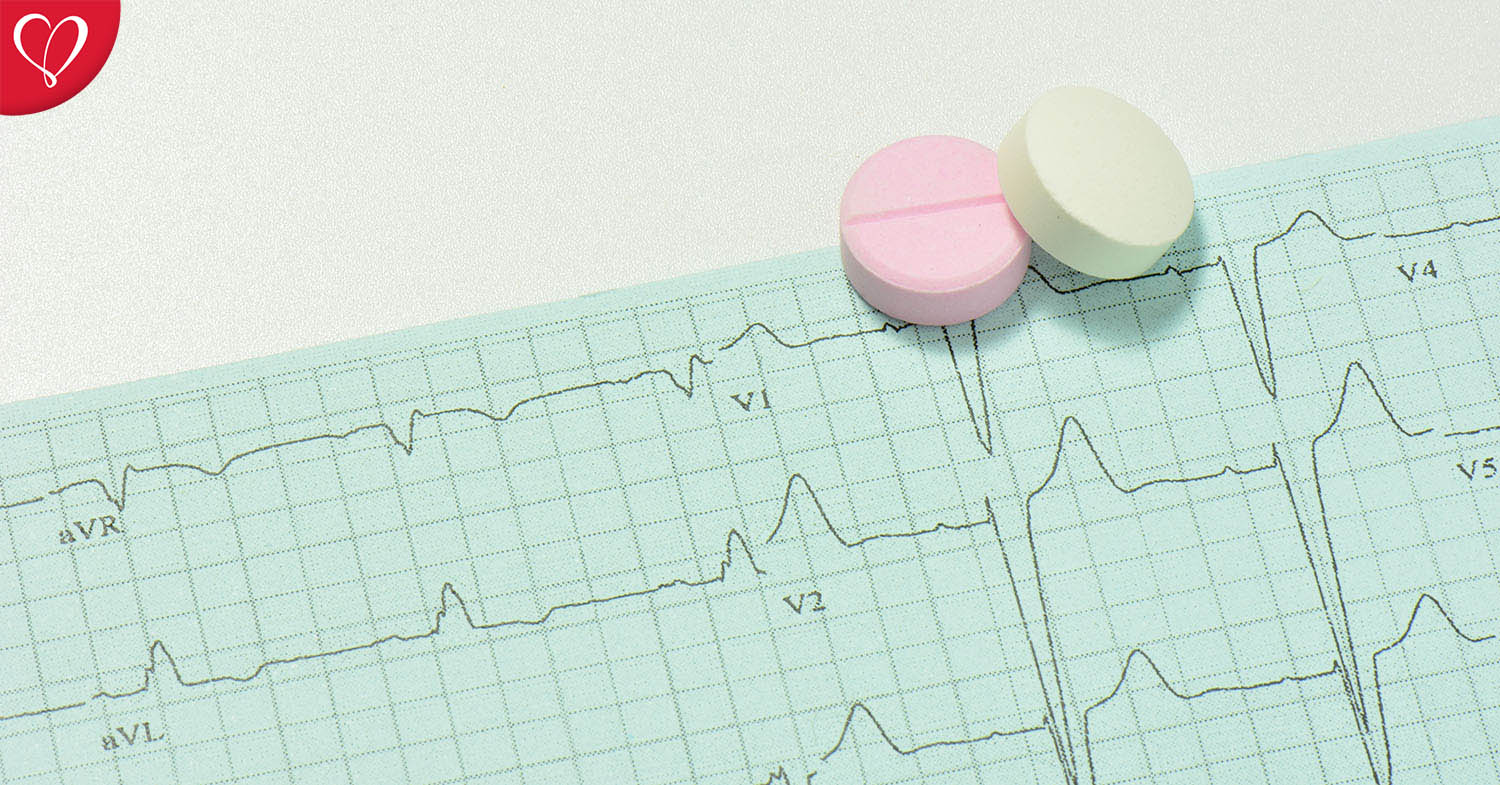
Atrial fibrillation (AF) is a medical condition that affects the cardiac rhythm, what we know as heart beats. This arrhythmia is the most commonly seen and it is due to the dysfunction of the electrical system of the heart. We invite you to read our recommendations when dealing with Atrial Fibrillation.
Grupo Cardiovascular de Tijuana
NewCity Medical Plaza Hospital 29-02 P.º del Centenario 9580, Zona Urbana Rio Tijuana, 22010 Tijuana, B.C
In the cardiovascular disease prevention services our main goal is to prevent death caused by a cardiac event as well as prevention of heart disease or heart conditions such as:
Myocardial infarction
Stroke
Heart disease
Acute cardiovascular events that lead to hospitalization
The cardiovascular disease prevention program aims to provide early detection of negative risk factors, and to prevent death from a cardiac event.
Grupo Cardiovascular de Tijuana
NewCity Medical Plaza Hospital 29-02
P.º del Centenario 9580, Zona Urbana Rio Tijuana, 22010 Tijuana, B.C
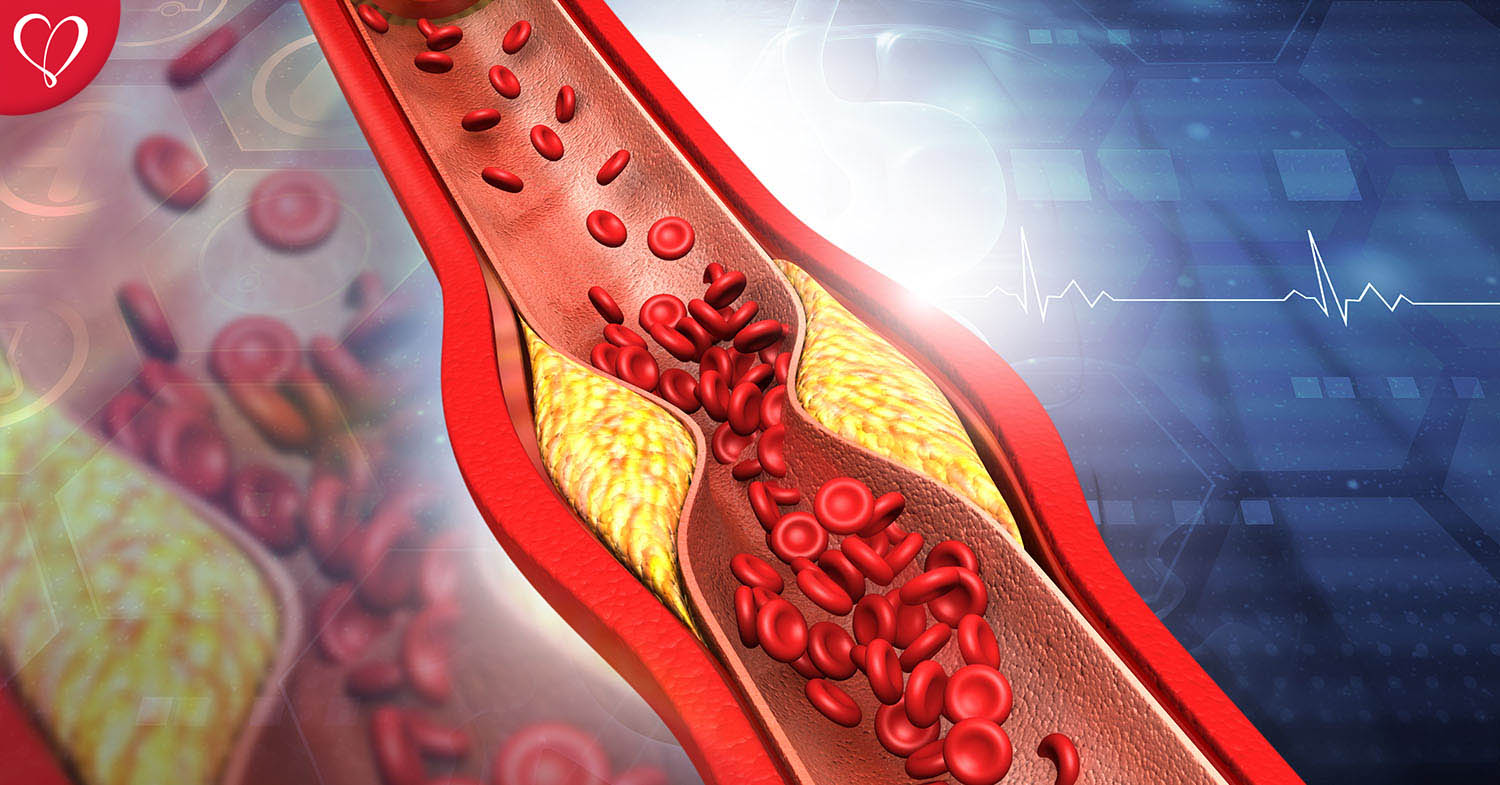
It is essential to detect and prevent atherosclerosis, this condition can develop early in life and it is a buildup of plaque that affects the covering of all arteries, the endothelium.
A myocardial infarction occurs when the function of the endothelium gets compromised, then a series of events lead to an obstruction of an artery of the heart, which then leads to lack of blood flow to the heart muscle. Once the heart muscle sustains this kind of damage it leaves an injury to a part of the heart muscle (a dead zone), this damage however can be reversible and with the appropriate cardiologic care patients are able to continue living a full live and prevent a future infarction.
Unfortunately, there is also the case of the “silent” myocardial infarction, which occurs without notice and can have serious consequences, this is why it is ideal to practice prevention and early detection by visiting the cardiologist.
Grupo Cardiovascular de Tijuana
NewCity Medical Plaza Hospital 29-02 P.º del Centenario 9580, Zona Urbana Rio Tijuana, 22010 Tijuana, B.C
In the heart failure service, our goal is to improve life expectancy and overall quality of life. We aim to incorporate the person to a full social and productive life by decreasing illness episodes and need of frequent hospitalizations. Heart failure means that the heart is in a dilated state, it does not pump well, is not functioning, is not being effective at pumping blood to the entire body, attempting to compensate the heart pumps faster. If this abnormal condition persists, the disease progresses and the patient develops a more serious disease.
Grupo Cardiovascular de Tijuana
NewCity Medical Plaza Hospital 29-02 P.º del Centenario 9580, Zona Urbana Rio Tijuana, 22010 Tijuana, B.C
Our program offers a full assessment and clinical management of heart failure, also known as heart insufficiency. An integrative management of HF should design a clinical care model depending on the individual functional classification, the cause of HF and the level of damaged inflicted on the heart muscle.
The most frequent causes if heart failure are:
Ischemic cardiomyopathy: these occur after a person suffers a heart attack (myocardial infarction), this leaves areas of the heart muscle damaged, these affected areas restrict the normal movement of the heart, the ability to pump is compromised.
Hypertensive cardiomyopathy: it occurs in patients that did not have good management of theyre systemic hypertension, since the heart tries to beat against a hypertensive system it eventually gets damaged, what we called “dilated”, especially if hypertension is poorly managed for a long time. Once the heart is dilated, the advanced dilation makes the pump function dysfunctional, its less effective at pumping blood to the body with each heartbeat.
Heart insufficiency: it manifests as fatigue, shortness of breath (people call it lack of air), limited ability to do some physical activities like going up the stairs, feeling like they’re drowning when they attempt to lay flat, heart palpitations, swelling of the legs and abdomen.
Grupo Cardiovascular de Tijuana
NewCity Medical Plaza Hospital 29-02 P.º del Centenario 9580, Zona Urbana Rio Tijuana, 22010 Tijuana, B.C
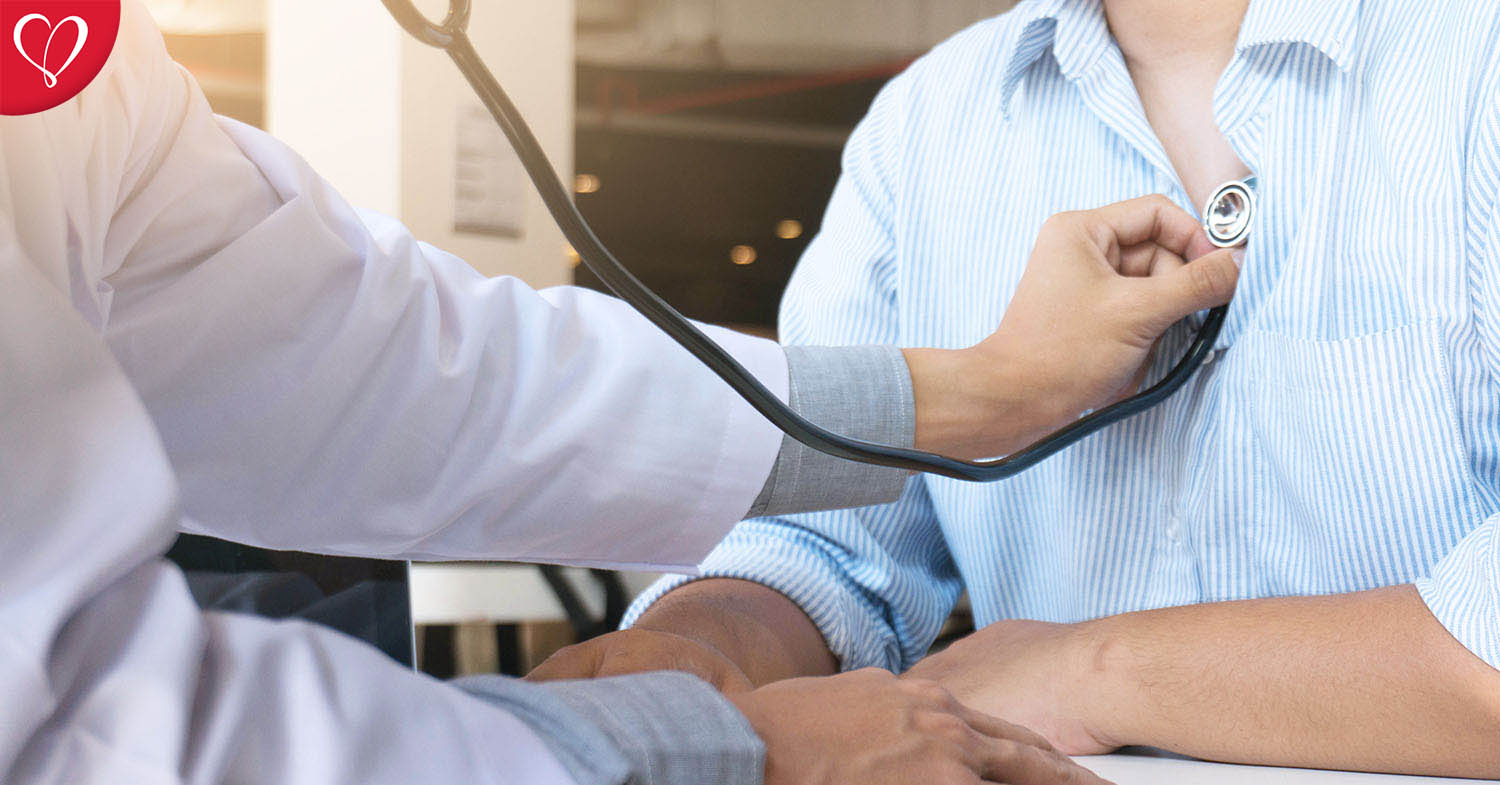
The clinical evaluation aims to assess ventricular function, meaning the way the heart muscle is working. The first test done is a chest x-ray which provides us with some important but limited information, the gold standard to diagnose heart failure is the echocardiogram. The echocardiogram allows is to evaluate alterations of disorders of the segmental mobility of the heart, it also allows us to observe if there is heart dilation, if there is dilation it allows to measurement of the disorder, what we call the “ejection fraction”. The ejection fraction value is very important, it should remain at 70%, that means the heart ejects a steady and sufficient amount of blood to the body with each heartbeat.
Another evaluation that gets done with an echocardiogram is the functioning of the heart valves, it helps identify any damage done to the heart valves (the flaps that allow entry and exit of blood through the heart).
Other types of echocardiogram studies are specialized at treatment goals. A few examples are; Dobutamine stress-echocardiogram, Synchronism parameter assessment which is used to make measurements of the level of asynchrony of the heart when beating, this assessment with help determine the ideal treatment for the patient.
If the echocardiogram shows that the root of the cause of heart failure is coronary artery disease, then the patient will need to undergo a cardiac catheterism.
Treatment of heart failure
It is well known that the ideal treatment approach for heart failure consist of several lifestyle adjustments such as; healthy weight management, weight loss, salt intake reduction, implementing a Mediterranean style diet, medication such as; diuretics, potassium sparing diuretics, ACE inhibitors, beta-blockers, and digoxin. This treatment approach has shown to improve the quality of life of the patient, improving the functional class of HF, reducing the number of hospitalization and reducing mortality rates.
It is imperative that the cause of HF is fully corrected, meaning once the reason is identified the treatment is aimed at the resolution of the disorder, for example revascularization in the case of coronary artery disease, or heart valve replacement with a prosthetic heart valve when a damaged valve is identified.
There’s other sub-group of patients that suffer greater deterioration and worsening of functional class, those with complete block of the left bundle branch of the bundle of his (LBBB), another with reduced ejection fraction (less than 40%), most these patients would benefit from medical devices that improve contractility and improve the pumping function of the heart through electrical stimulation (cardiac synchronization) or tri-chamber pacemaker.
Other treatment options such as stem cell implantation (CED340) obtained through bone marrow aspiration has shown to be effective and effective at improving ejection fraction (effectiveness of the heart as a pump) by 10-15%. This alternative treatment is usually reserved for patients that do not respond to pharmacological treatment and were not the candidates for a tri-chamber pacemaker.
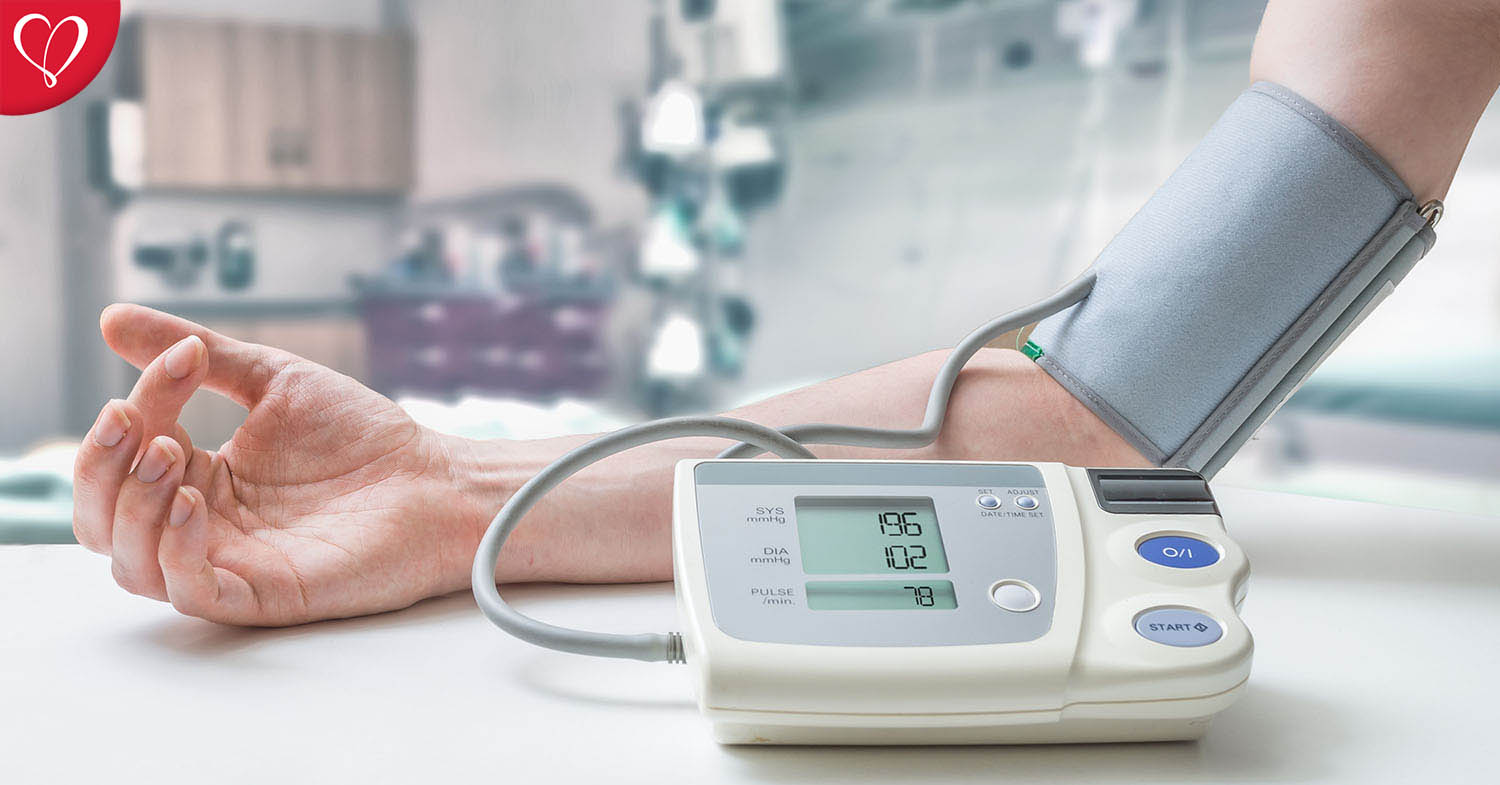
It is estimated that there are approximately 650,000 patients that suffer from refractory arterial hypertension in Mexico. This means that this type of hypertension does not respond to treatment, even when prescribing more than three different medications in proper dosage, the blood pressure readings still remain over 160/90mmHg. The actual number of affected patients varies among communities but it is safe to state that the average is that of 10% of all patients with hypertension.
Grupo Cardiovascular de Tijuana
NewCity Medical Plaza Hospital 29-02 P.º del Centenario 9580, Zona Urbana Rio Tijuana, 22010 Tijuana, B.C
When the cause of the hypertension is identified, we consider this secondary hypertension.
Essential hypertension is when the cause is not identified, this the most common diagnosis among people with hypertension.
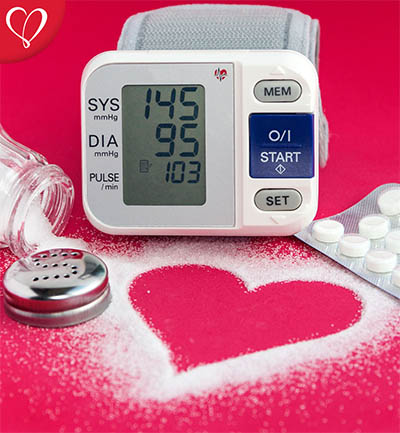
Essential hypertension presents with sodium retention (salt), fluid retention, and narrowing of small arteries all through the body. Treatment is aimed at addressing these symptoms by prescribing different medications such as diuretics that eliminate extra sodium and removing fluid excess, vasodilators to prevent narrowing of small arteries (arterioles), and other medications that work by inhibiting the renin-angiotensin system, which is responsible for maintenance of blood pressure.
Even with medications, there is still a percentage of people that do not respond to medication (10%).
There is also the multi organ blood pressure regulation system; the kidney receives orders from the brain to retain sodium and fluids, to reduce blood flood to the kidney. This brain-kidney signal system travels through the sympathetic nervous system and nerve endings that cover the renal artery.
Adverse events related to arterial hypertension
Grupo Cardiovascular de Tijuana
NewCity Medical Plaza Hospital 29-02
P.º del Centenario 9580, Zona Urbana Rio Tijuana, 22010 Tijuana, B.C
When high blood pressure remains untreated or poorly control for a long time it can result in acute of chronic diseases states. Some of the most serious complications that stem from hypertension are strokes (bleeding in the brain), aortic dissection, paroxysmal arrhythmias (non-permanent) that can least to brain infarction (ischemic stroke) among others.
In terms of chronic conditions, the most prevalent is ventricular hypertrophy (thickening of the heart wall), that mainly affects the left ventricle and can lead to permanent atrial fibrillation. When patients remain in this state over years, these changes can evolve into heart failure due left ventricular failure.
Another adverse event is arterial wall dysfunction. The arterial system is a series of vessels in which blood circulates through the body, these vessels live under a constant pressure system. Arterial wall dysfunction is when the vessels are damaged and the pressure system fails. This kind of condition allows for the buildup of atherosclerosis and it targets vital arteries such as coronaries, and cerebral arteries all this can eventually lead to angina, strokes, cerebral embolism, myocardial infarction and sudden death.
Adding to all of this, atherosclerosis can also lead to peripheral vascular disease, this becomes worse when other risk factors like diabetes, smoking and high cholesterol are present. Peripheral vascular disease is a condition in which the blood vessels that irrigate the limbs are obstructed, caused by an atheroma plaque (from fats, cholesterol, etc.), this obstruction can worsen with time and compromise blood flow through the arteries. Persons affected with this can eventually develop intermittent claudication. Intermittent claudication is a condition in which people develop severe pain when attempting to walk, this forces people to walk at a slower pace and even develop a limp. This pain is due to lack of blood flow to the legs, people complain of intense pain in the legs and thighs.
If you wish to talk to a specialized doctor about any of these medical conditions, please call us to secure an appointment at 664-634-31-39.
Ischemic heart diseases is caused by decreased blood flow to a specific area of the heart due to an artery that has suffered an obstruction.
Arterial obstruction could develop in a gradual manner or could be acute, sudden or abrupt. In the first case of gradual obstruction, this manifest clinically by chest pain that presents with increased physical activity and is relieved after 20 minutes of rest.
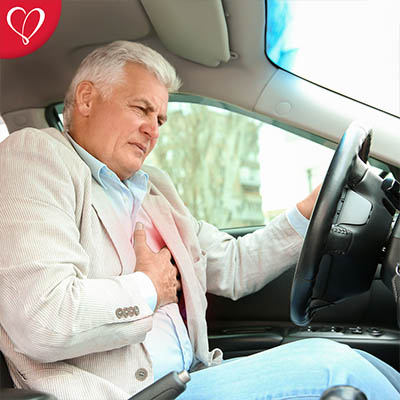
The second case in which the obstruction presents in an acute or sudden manner, manifests with chest pain during rest and the pain increases in severity, without improvement after rest, or medication and it persists for more than 30 minutes accompanied by sweating, nausea, shivers and sense of impending doom
Grupo Cardiovascular de Tijuana
NewCity Medical Plaza Hospital 29-02 P.º del Centenario 9580, Zona Urbana Rio Tijuana, 22010 Tijuana, B.C
The cause of this alarming clinical presentation is the obstruction of an artery due to the rupture of an atherosclerotic plaque with the formation of a thrombus (acute coronary syndrome) and can manifest as;
Stable angina
Myocardial infarction
Myocardial infarction without ST elevation
Sudden death
It is important that with this type of medical condition the patient react quickly, seeking medical care immediately to prevent further damage to the heart.
Further observation is required to complete the clinical diagnosis such as evaluating pain duration of pain other accompanying symptoms what improves the symptoms and what worsens the symptoms.
The cardiologist will also evaluate other signs of cardiovascular compromise such as:
An echocardiogram will allow us to assess the function of the ventricles and the abnormal movements of the cardiac muscle and the presence of additional abnormalities secondary to cardiovascular compromise.
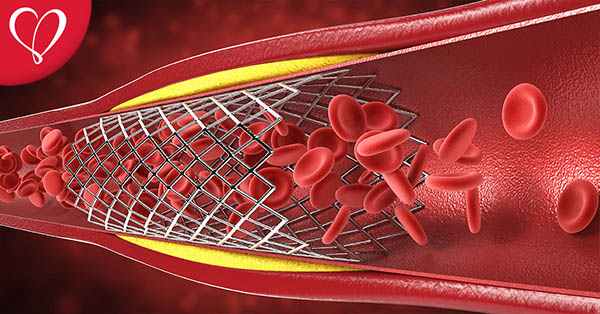
“The cardiac catheterism or angiography iss a study that allows us to observe the presence of obstruction in the arteries, to locate the injured vessel and focus all efforts to open or bypass the damage (coronary angioplasty) through the use of balloons or stent implants which are made of a metal mesh covered by a polymer that releases a medication and prevents a future obstruction of the injured vessel”
Grupo Cardiovascular de Tijuana
NewCity Medical Plaza Hospital 29-02 P.º del Centenario 9580, Zona Urbana Rio Tijuana, 22010 Tijuana, B.C
Evaluation and diagnosis of ischemic cardiomyopathy
The clinical presentation is usually; chest pain that presents after increased physical activity or after a strong emotion, a stressful situation. this pain is oppressive in nature and increases with physical activity and decreases with rest and radiates to both shoulders and the jaw.
The first assessment is to determine the severity of the disease, this is done through an electrocardiogram, a stress test or a stress-echocardiogram with dobutamine.
The second assessment if any of the tests came back abnormal and the category is of high risk, is to conduct a cardiac catheterism to determine the anatomy of the heart, identification of the injured vessel, evaluation of the type of injury or obstruction (percentage of blockage, length of the lesion, presence of calcifications or thrombus).
After this thorough cardiac workup a procedure will be done to reestablish blood flow (angioplasty) or revascularization (bypass) of one or more vessels. Also we implement interventions to control other risk factors such as high blood pressure, diabetes and high cholesterol. In the ischemic cardiomyopathy service, we aim to repair cardiac injuries caused my myocardial infarction, reduce mortality and to prevent permanent damage to the heart muscle.
Contact us via Messenger or call us at 664-634-3139.